
Contact us today to get started with a free quote!

Pella Windows for Illinois Winters: Glass, Frames, and the Install
If you have spent a winter in northern Illinois, you know the feeling. The Illinois State Water Survey’s climate normals for Chicago O’Hare put our area at an average of 6,339 heating degree days each year, with roughly 122 days at or below freezing. Your heating system carries a long load around here, and a chilly window can make you feel it before you see the gas bill.
Here’s what I learned: energy efficiency comes from the glass, the frame, and the air seal around it. Not one magic number on a sticker. If you are considering energy-efficient Pella windows for an Illinois home, those are the three choices worth understanding.
Choose glass for the rooms that feel coldest
Window stickers can bury a simple question under decimal points: will this glass help the room feel comfortable? Under the ENERGY STAR Version 7.0 criteria for northern climates, one qualifying path calls for a U-factor of 0.22 or lower, paired with a minimum solar heat gain coefficient (SHGC) of 0.17. U-factor measures how quickly heat escapes; lower is better. SHGC describes how much warmth from the sun passes through. In Illinois, you want to hold onto furnace heat while making use of winter sun where you can.

Reaching that 0.22 U-factor in a standard frame profile almost always takes triple-pane glass with argon gas or a specialized room-side low-E coating. Does that mean paying for triple-pane glass in every opening? No. Dual-pane windows with advanced low-E coatings can meet Northern Zone equivalent pathways and keep many rooms comfortable. But if your bed sits three feet from a cold north-facing sash, you know where the extra glass may earn its keep.
That chill is not always a draft through the sash. Warm room air touches cold glass, cools, sinks, and travels along the floor toward your feet. I think of it as an invisible waterfall. Focus first on the rooms where you feel that cold, especially north- and west-facing rooms exposed to winter wind. You need not give a sheltered laundry room the same glass package as the bedroom where you spend every January night.
Pick a frame that suits the opening and the upkeep
Glass is only part of the window. When temperatures swing, a frame can move enough to affect how its weatherstripping meets the sash. Homeowners looking into why Pella windows are used around our suburbs will generally encounter three frame choices:
- Fiberglass: Pella Impervia fiberglass windows use a five-layer composite tested from -40°F to 180°F. Fiberglass expands and contracts at nearly the same rate as the glass it holds, helping the frame and sash keep their fit through temperature swings.
- Aluminum-clad wood: Wood provides natural insulation and a traditional interior. In the Pella Lifestyle Series, aluminum cladding protects that wood on the outside from sleet and wet snow. With triple-pane AdvancedComfort Low-E glass, Lifestyle units achieve up to 79% to 83% higher energy efficiency than single-pane units and reduce outside traffic noise by roughly 52%.
- Vinyl: Options such as Pella 250 Series offer low maintenance and value, with multi-chambered frames. Vinyl moves more with temperature changes than fiberglass does; for large openings facing winter winds, fiberglass or clad wood offers stiffer resistance to frame flexing.
There is a cost trade-off here, not a universal winner for every opening. Match the frame to the exposure, the look you want, and the upkeep you are willing to take on.
Check the gap you will not see after installation
You can buy a tight triple-pane window and still feel cold air if the gap between its frame and the wall is sealed poorly. In older DuPage and Cook county homes, crews often stuffed loose fiberglass batt between the window frame and the rough stud. Fiberglass slows heat transfer but does not stop moving air the way an air seal does. Wind can push through it and past the interior trim.

A window can look tidy on day one while a missed gap waits for the first hard wind.
Read frost on the sill before blaming the window
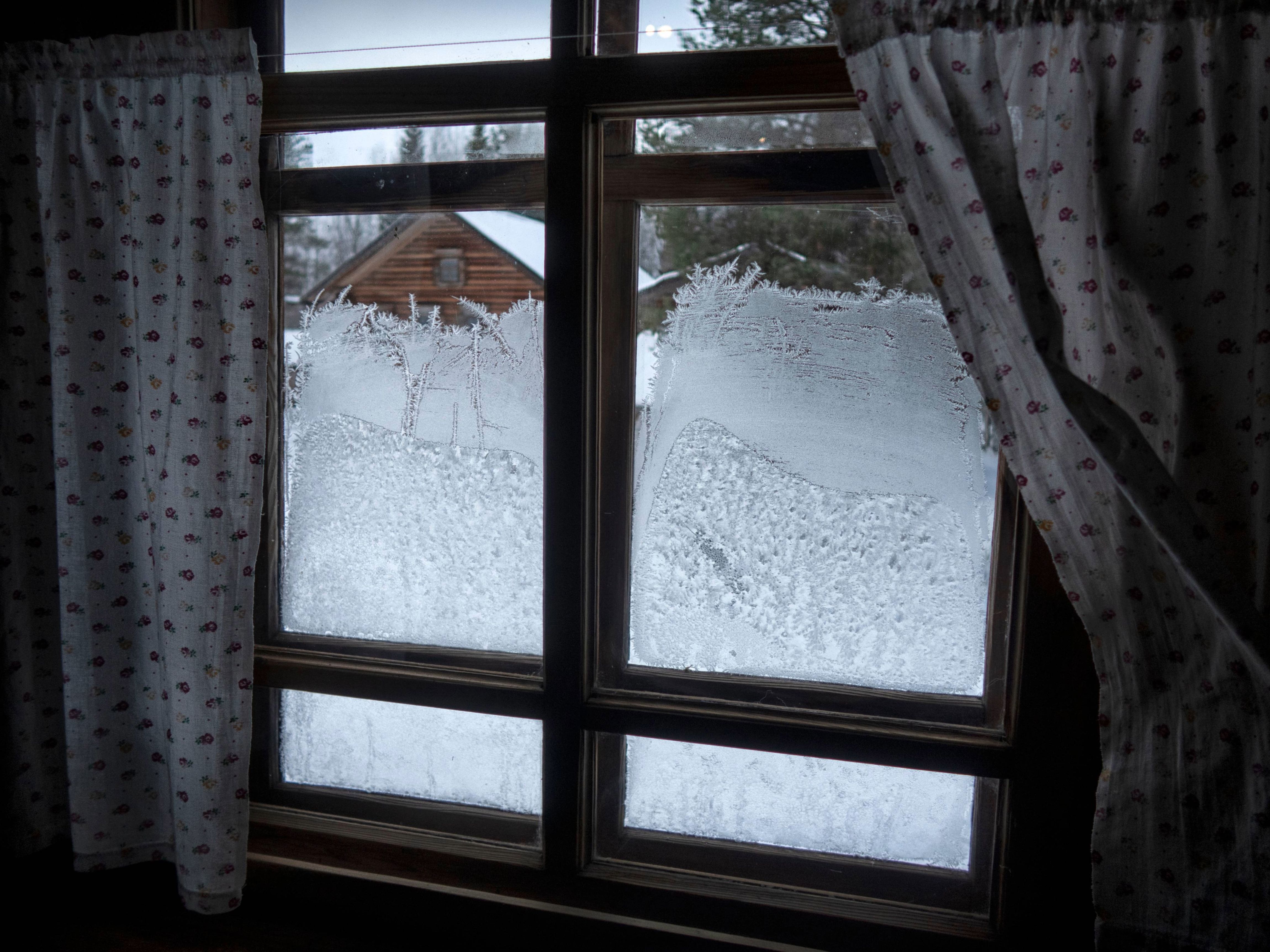
A few beads of moisture along the bottom of new glass during a deep freeze do not automatically mean the window seal has failed. Indoor humidity is often the cause. Warm, moist room air meets cold glass and leaves water behind.
If your central humidifier is still set around 35% to 40% relative humidity when it drops below zero outside, try dialing it down. At outdoor temperatures below 10°F, 25% to 30% indoor humidity can help keep frost from collecting and puddling on the sill. Check that setting before assuming a new window is defective.
Ask who installs and how they seal
Here’s what I learned the hard way: it is not just the window; it is the install. Shims hold the frame in position, the jamb has to sit square, and the weatherstripping needs even contact with the sash. Skip the perimeter seal or rush those adjustments, and you can lose the comfort you paid for before the first winter arrives.
During an estimate, ask:
- Will your own employees install the windows, or will subcontractors do the work?
- How will you insulate and air-seal the gap around each frame?
- How will you check that each sash opens, locks, and seals after installation?
Those questions get past the brochure. Some replacement sales operations hand installation to third-party crews paid by the piece, which can put speed ahead of the sealing work you will never see. B.W. Construction & Home Improvement, serving Chicagoland since 1997, uses company-employed carpenters rather than outside subcontractors. As Illinois’ only Pella Platinum Premier contractor, it installs Pella wood, fiberglass, and vinyl windows to factory standards and backs its projects with a two-year parts-and-labor warranty alongside Pella’s limited lifetime product warranty.
The next time a blustery front comes through, take five minutes to stand beside your north- and west-facing windows. Feel near the base of the trim, then notice whether cold seems to spill across the floor. You do not have to replace every window at once. Start with the rooms that bother you most, and ask the installer exactly how they will seal each opening. That is a manageable next step toward a warmer house.

Getting Started Is EasyContact Us Today


